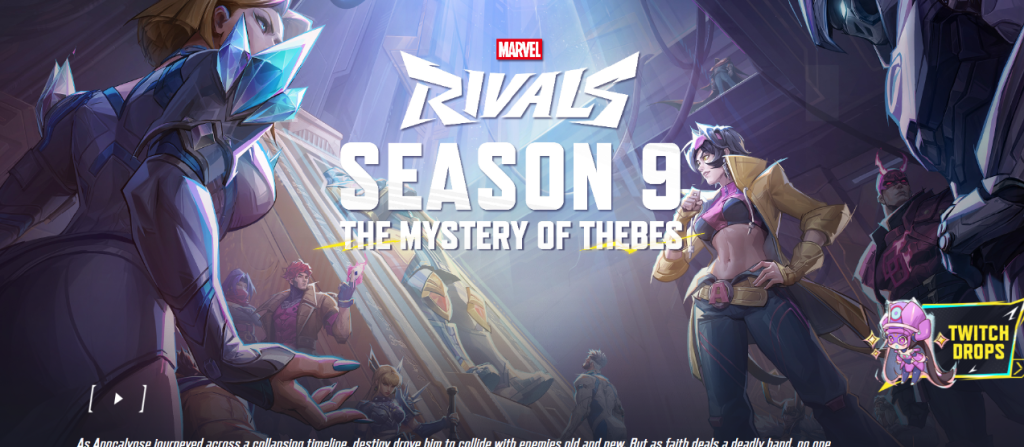
Marvel Rivals has quickly become one of the most competitive hero shooters on the market. While basic tutorials cover core controls and role divisions, dozens of hidden mechanics, unlisted hero passive traits and subtle tactical rules remain hidden from most players. Average gamers rely purely on aim and basic ability rotations, yet high‑rank competitors leverage these under‑the‑hood systems to turn team fights around. If you want to close the gap between casual matches and competitive ranked play, learning these overlooked details will drastically lift your win rate.、
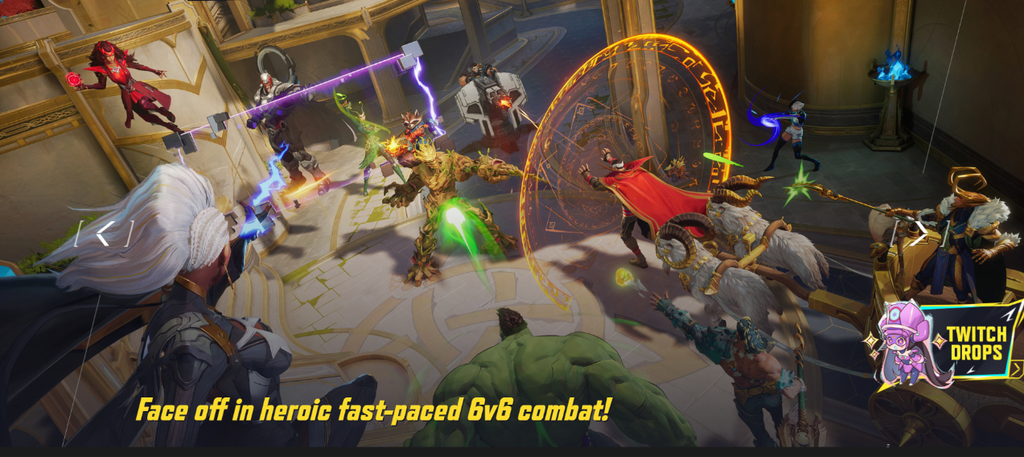
Overlooked Core Game Mechanics Most Players Ignore
Beneath flashy super‑hero abilities lie universal game rules that shape every fight, but they are never fully explained in‑game. Mastering these baseline hidden mechanics gives you a consistent advantage regardless of which hero you pick.
Ultimate energy economy is one of the most impactful hidden systems. Damage and healing convert to ultimate charge at different rates; damage output gives 55 % conversion for all roles, while strategist healing reaches 70 % conversion efficiency. Importantly, damage dealt by ultimate skills themselves will not generate extra ultimate charge. Switching heroes mid‑match preserves up to 50 % of your existing ultimate energy, instead of wiping it completely. Many players waste opportunities by misunderstanding this rule.
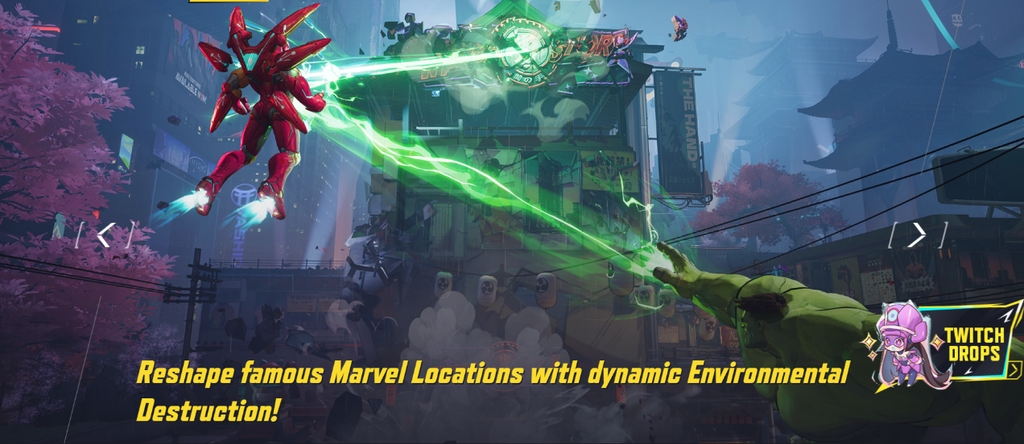
Destructible terrain is another under‑rated tool. Many walls, barriers and cover objects across maps can be destroyed by melee strikes or heavy abilities. You can punch new flanking routes for your team, or destroy enemy cover to expose backline strategists. Keep in mind that sometimes keeping walls intact is smarter; destroying cover can also open sightlines for your opponents.
Crowd‑control resilience is another critical hidden rule. After suffering successive stuns and freezes, heroes gain short‑term resilience immunity. Do not stack all crowd‑control skills onto one target in quick succession, or your CC will be wasted entirely.
Hero‑Specific Hidden Traits & Secret Settings
Every playable hero carries unique undocumented behaviours, and many have hidden custom control options buried deep within hero‑specific settings menus. Tweaking these options can completely change how a character performs.
Namor’s Blessing of the Deep shield defaults to toggle‑on‑tap mode. By switching to hold‑to‑activate in hero control settings, you manually control shield duration. You can hold to absorb massive ultimate damage from Iron Man or Thor, then instantly release to counter‑attack, rather than being locked to a fixed cycle.
Loki players frequently suffer mis‑fires when using his transformation ultimate. In combat settings, you can enable double‑confirmation for Loki’s ultimate ability. This simple toggle prevents you from accidentally transforming into the wrong target during chaotic team‑fights.
Several heroes possess passive quirks absent from tooltips. The Punisher gains full crowd‑control immunity while his ultimate is active; stuns, slows and freezes cannot interrupt his firing sequence. When you activate his ultimate, commit fully to dealing damage and avoid wasting time repositioning to escape crowd‑control effects. Adam Warlock can pull off a rapid‑fire trick by perfectly alternating primary and secondary fire. When timed correctly, this greatly raises sustained damage output beyond standard firing patterns.
Groot has a little‑known wall‑placement trick. Instead of placing barriers one at a time, drag your placement cursor to spawn two connected defence walls in one quick motion, sealing off chokepoints much faster during urgent team fights.
Unwritten Team‑Up Synergies That Shift Team Fights
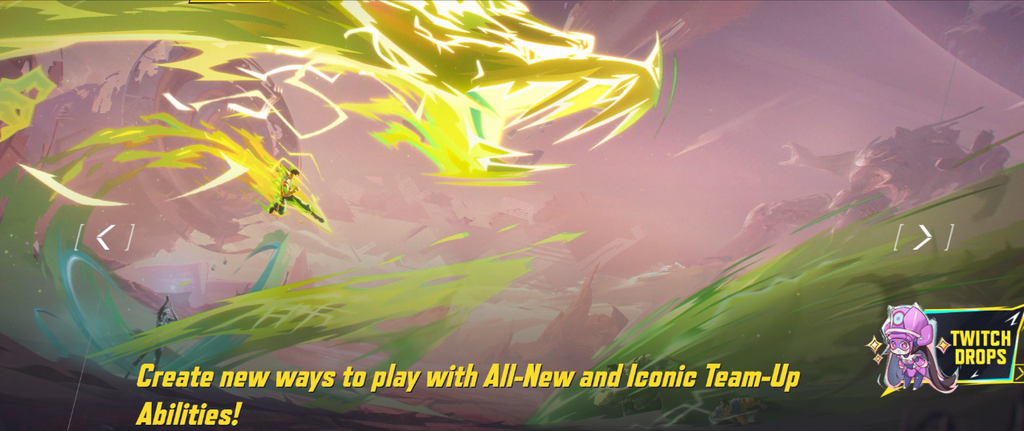
Team‑up synergies are signature mechanics of Marvel Rivals, yet many powerful bonus effects are not written on ability descriptions. Building your team composition around these secret synergies creates free extra damage, mobility and protection opponents cannot anticipate.
Groot and Rocket Raccoon’s famous mount synergy allows Rocket to climb onto Groot’s shoulder. While riding, Rocket receives a 15 % fire‑rate buff and uses Groot’s large hitbox as natural cover, shielding him from flank assassins targeting damage dealers.
Iron Man and Doctor Strange hold a powerful magical‑tech synergy. Iron Man projectiles passing through Strange’s portal gain increased damage and projectile size. Skilled players use this trick to snipe enemies from unexpected angles across the map. Nearby Doctor Strange also speeds up Iron Man’s armour energy recharge rate.
Symbiote pair Venom and Jeff the Land Shark unlock extra maximum health for Venom, improving his survivability in front‑line brawls. Asgardian group synergies between Hela, Thor and Loki trigger chained damage‑over‑time hel‑fire when they fight close together. Hela kills grant Thor extra lightning charge, and Loki illusions detonate bonus fire damage beside Hela.
You do not need to fill every possible synergy slot, but including at least one valid team‑up pair gives your team measurable advantages in ranked matches.
Advanced Tactics For Higher‑Elo Ranked Matches
Knowing hidden mechanics only matters if you apply them with smart tactical thinking. These high‑level tactics separate platinum‑rank players from top‑tier competitors.
For duelists, mobility discipline is everything. Heroes like Spider‑Man, Venom and Black Panther often burn all mobility abilities diving deep behind enemy lines, leaving zero escape resources. Follow a simple rule: use one mobility skill to engage, always keep one for retreat. Never chase isolated kills if your strategists and vanguards cannot follow you into the fight, or you will feed eliminations to the enemy team.
Vanguard players should utilise body‑blocking as a spatial‑denial tactic. Even when your skills are on cooldown, use your large hitbox to block doorways and chokepoints, trapping enemies inside your team’s area‑of‑effect damage zones. Do not soak damage out of your healer’s line of sight; taking unnecessary poke damage drains your team’s healing resources.
Strategists must prioritise survival above everything else. A dead healer provides zero value for your team. Loki’s illusions perform best inside sniper nooks; enemies waste ultimate charges and high‑damage shots targeting decoys. Mantis’ damage amplification buff should be saved for duelist burst windows instead of spamming purely for healing value.
Pay attention to audio options. Turn on the off‑by‑default sound cue that announces when teammates get knocked out. This alert warns you of incoming flanks before you visually spot enemies off‑screen.
Final Thoughts
Marvel Rivals rewards more than sharp reflexes. Victory comes from digging into undocumented mechanics, adjusting hidden hero settings, exploiting team‑up synergies and practicing restrained, thoughtful ability usage. Many of these tricks can be tested safely inside the practice range before you bring them into ranked matches. Even on days when your aim feels off, solid mechanical knowledge and smart tactics will help you secure consistent wins and steadily climb the competitive ladder.