Despite the dominance of fast-paced competitive and casual mobile games, MMORPGs remain one of the most stable and high-value sectors in the global gaming industry. Thanks to persistent open worlds, deep social systems, and long-term content updates, modern MMOs continue retaining loyal player bases and generating steady market growth in 2026.
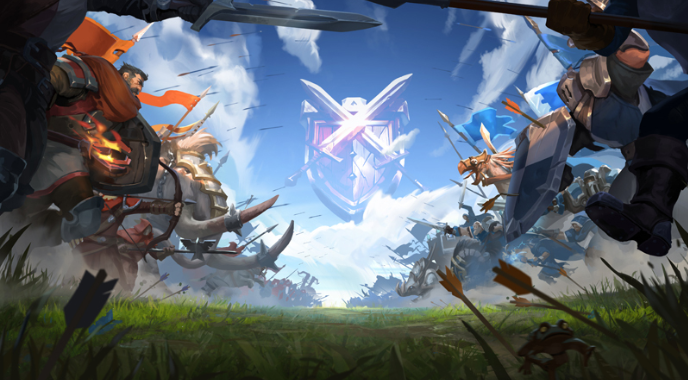
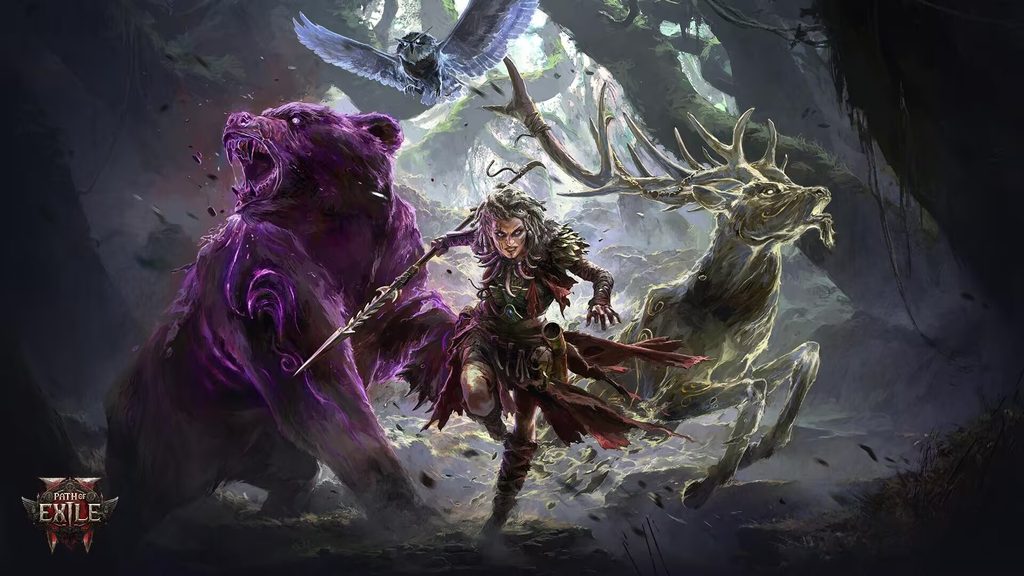
The global MMO market has surpassed $31 billion this year, maintaining a stable annual growth rate above 10.58%. Unlike short-cycle mobile games that quickly decline, top sandbox MMOs such as Path of Exile 2, Albion Online, and Old School RuneScape sustain multi-year lifecycles, proving that fair, player-driven gameplay is the most sustainable model for long-term gaming success.
Current MMO Industry Landscape
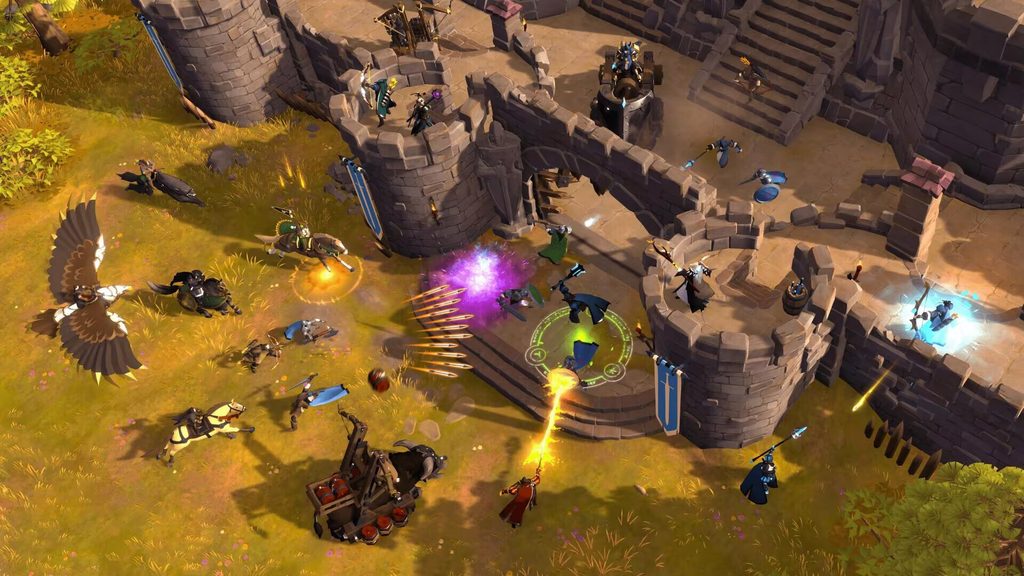
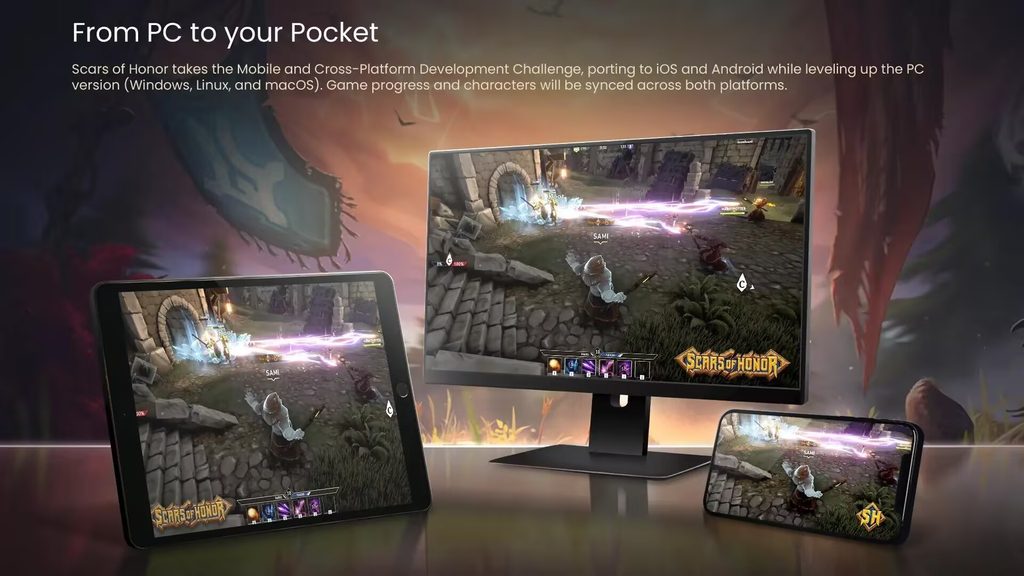
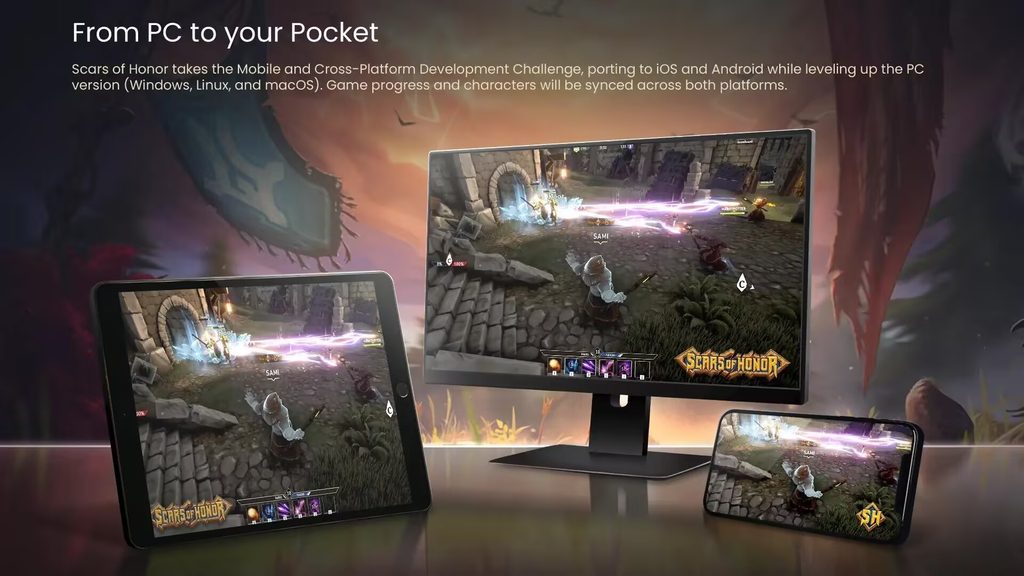
In 2026, cross-platform compatibility has become a mainstream standard for high-quality MMOs. More developers now support synchronized progress across PC, mobile, and cloud platforms, expanding the audience from traditional PC hardcore players to broader casual communities.
The industry is also experiencing resource consolidation. Low-quality reskinned MMOs are gradually phased out, while classic sandbox titles dominate market share. Players now prioritize fair mechanics, dynamic content, and community freedom over flashy graphics and pay-to-win advantages.
Key MMO Trends Redefining 2026 Gameplay
Dynamic Player-Driven Open Worlds
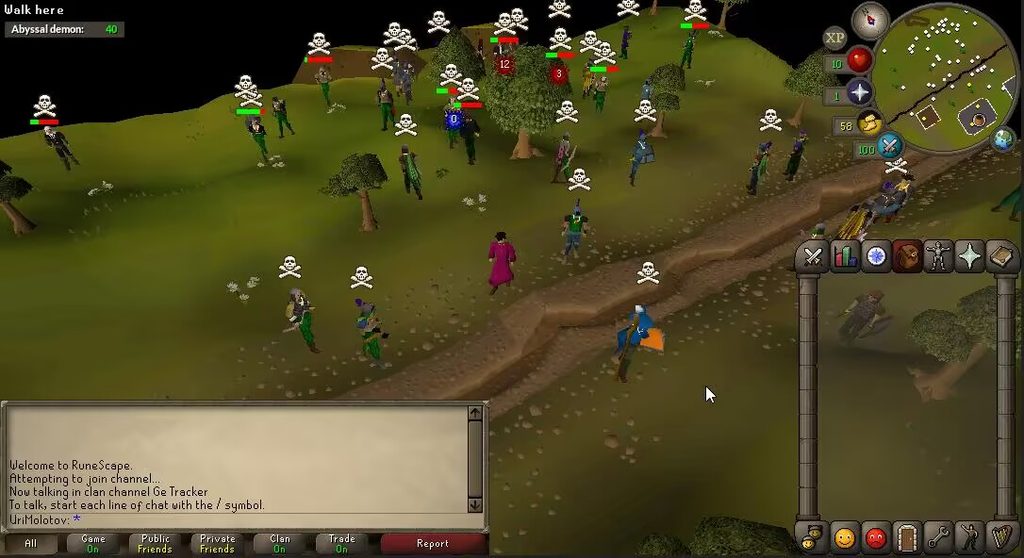
Static, scripted game worlds are no longer competitive in modern MMO design. Current leading titles adopt dynamic world systems, where player activities directly influence regional economies, zone conflicts, event spawns, and server environments.
Games like OSRS and Albion Online thrive on player autonomy. Trading, territory warfare, and resource scarcity shift according to community behavior, creating unique, unpredictable gameplay loops every season and eliminating repetitive rigid quest lines.
AI Integration Becomes Standard MMO Infrastructure
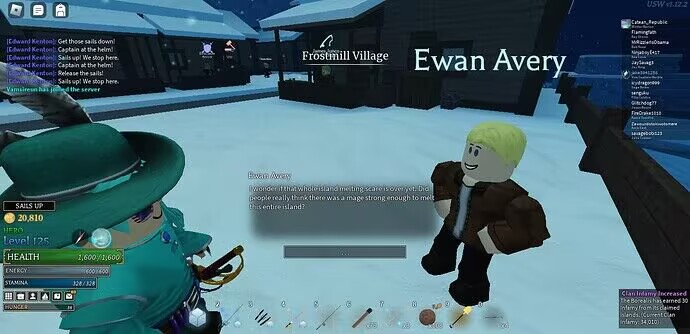
Artificial intelligence has reshaped MMO content production and player interaction in 2026. Many major studios now utilize AI-generated side content, adaptive events, and memory-based NPC dialogue.
AI NPCs deliver responsive, context-aware conversations instead of fixed text lines, greatly improving world immersion. Additionally, intelligent anti-bot systems stabilize in-game economies by suppressing automated farming and scripts, creating healthier long-term server ecosystems.
Fair Monetization Replaces Pay-To-Win
Traditional pay-to-win MMO monetization is rapidly disappearing from mainstream markets. The 2026 standard model focuses on cosmetic-only purchases, seasonal passes, and optional premium services.
Titles including Path of Exile 2 and Albion Online separate payment power from gameplay power completely. This fair monetization strategy attracts new players while preserving veteran communities, achieving sustainable revenue and positive game reputation.
Revival of Retro Hardcore Sandbox MMOs
Retro sandbox MMOs continue their strong comeback in 2026. Players are increasingly tired of hand-holding modern games and return to high-freedom, rule-driven worlds like Old School RuneScape.
These classic MMOs feature minimal restrictions, fully player-governed economies, and open PvP systems. Their stable community retention proves that hardcore, skill-based sandbox gameplay remains irreplaceable in the modern gaming market.
Conclusion
The 2026 MMO landscape clearly favors dynamic AI-enhanced worlds, cross-platform accessibility, fair monetization, and community-driven sandbox systems. Fast-decaying pay-to-win designs and static repetitive content continue to be eliminated.For game enthusiasts and content creators, POE2, Albion Online, and OSRS will remain the core trending MMOs for years to come, offering stable updates, active communities, and consistent long-term growth potential in the global gaming market.
For game enthusiasts and content creators, POE2, Albion Online, and OSRS will remain the core trending MMOs for years to come, offering stable updates, active communities, and consistent long-term growth potential in the global gaming market.