1.Introduction
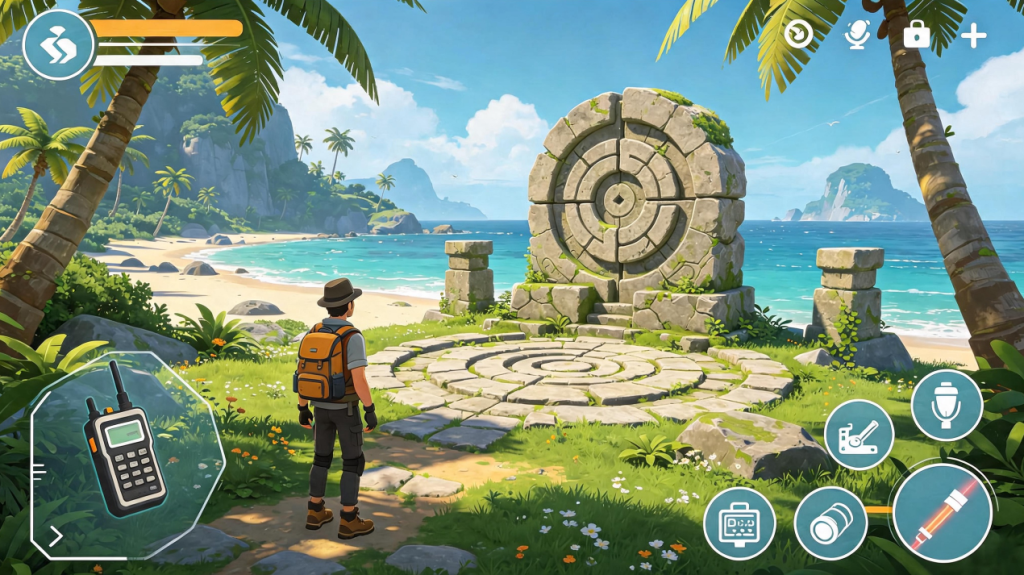
Big Walk has quickly become one of the most popular co‑op puzzle games of 2026, developed by House House. This unique walking‑simulator title supports 2‑12 players exploring a vast open‑world island filled with creative environmental puzzles. There is no combat system, no enemies, and you cannot complete the game alone. Every puzzle requires real‑world communication, teamwork and logical thinking between teammates. Many new players get stuck due to unclear game mechanics, limited inventory space and proximity‑based voice chat rules. This practical guide covers multiplayer setup, essential gear, core gameplay logic, practical teamwork tips and common pitfalls, helping your group enjoy smooth, frustration‑free exploration.
2.Multi‑player session setup before starting your adventure
2.1 Host selection
Big Walk uses P2P peer‑to‑peer hosting. The host stores all save progress. If the host quits, the whole session will close, so pick a stable teammate to act as host. When creating a lobby, set the player number matching your group size; puzzles will automatically adjust difficulty and layout according to participant count. You can join friends via join code, no complicated server setup required.
2.2 Comfort settings to avoid motion sickness
Many players suffer 3D motion sickness in this game. Go to settings, lower camera sensitivity and widen your field‑of‑view. These two simple adjustments greatly reduce dizziness during long exploration sessions.
2.3 Basic game rule reminder
You cannot play solo. Your character takes zero damage from falls, but dropped items may roll into grass or rocks and become hard to locate. Locate the detector tool early, it can highlight lost interactive items across the map.
Must‑have tools every team should collect first
Inventory capacity is extremely limited by default; each player can only hold one item at a time. Some gear 3.directly decides whether your team can progress smoothly.
3.1 Walkie‑talkie: highest priority
Voice chat only works within short physical distance. When your team splits up to explore different zones, walkie‑talkies let teammates keep talking far away. Always assign at least two players to carry walkie‑talkies before separating your group.
3.2 Backpack
Backpack adds extra inventory slot, allowing you to carry multiple tools simultaneously. You will find backpacks inside blue cylindrical storage buildings spread all over the island. Without backpacks, you frequently need to drop and swap items, wasting lots of exploration time.
3.3 Auxiliary practical tools
Flares mark your position with bright sky signals for regrouping. Flashlight improves visibility during night cycles. Laser pointer helps you point out distant puzzle components for teammates. Distribute these tools among group members instead of one person carrying everything.
4.Core gameplay and main progression logic
Your main objective is to collect blorbs, the gourd‑shaped collectibles scattered across the island, by solving environmental puzzles in different towers and regions. After finishing regional puzzles, you gain keys to unlock new map areas. Unlock the map room as early as possible. The physical map marks unsolved puzzles with red blorb icons and shows completed areas with blue flags, helping you track unfinished content efficiently.
Most puzzles demand split‑team operations: one player observes clues from a distance, while others execute actions on‑site. Many puzzles require tools transported from other locations, so remember key items can be carried across the whole island.
5.Practical teamwork tips for smoother puzzle solving
5.1 Assign simple roles
Before heading into unknown zones, divide simple roles among your group: scouts go ahead to scout landmarks, navigators watch the map, support members keep communication tools, puzzle coordinators organize teammates during complex challenges. Clear roles prevent everyone repeating identical work.
5.2 Agree on regroup rules
Since players easily get lost on this huge island, set a fixed meeting landmark and approximate regroup time before splitting. Use flare terminals if you lose contact with teammates. Simple light‑flash signal codes (one flash for yes, two flashes for no) work when voice communication fails.
5.3 Do not chase speedrun
Big Walk focuses on shared exploration experience. Rushing through puzzles often creates miscommunication and mistakes. Take time to observe surroundings, read environmental hints, and enjoy the island scenery together.
6.Common mistakes beginners need to avoid
Never try to finish puzzles alone; almost all challenges require multiple‑person cooperation. Do not discard important puzzle tools carelessly. If items fall into thick grass, use the detector to find them instead of giving up. Avoid frequently swapping host in the middle of play, as it may cause save‑state confusion. Do not ignore the map room; many new players waste hours wandering without checking the map markers.
7.Conclusion
Big Walk delivers a refreshing cooperative gaming experience that tests real‑life communication rather than fast reflexes. Choose a reliable host, grab walkie‑talkies and backpacks early, assign simple team roles, and make full use of the in‑game map. When your group respects teamwork and takes time to observe environmental clues, you can unlock every area and solve all creative puzzles on this charming open‑world island.