Introduction
The global gaming market keeps expanding in 2026, with billions of active players across PC, console and mobile platforms. Not all game tracks achieve stable popularity; some genres quickly burn out while others maintain long‑term user stickiness and commercial returns. Understanding hot gaming tracks helps players pick satisfying titles, and gives content creators and indie developers clear market references. This article sorts out the most competitive game genres of this year, analyzes their core advantages, representative works, existing challenges and future development directions. Whether you are an ordinary gamer, game blogger or industry observer, you can get practical market insights from this overview.
Cross‑platform live‑service multiplayer track
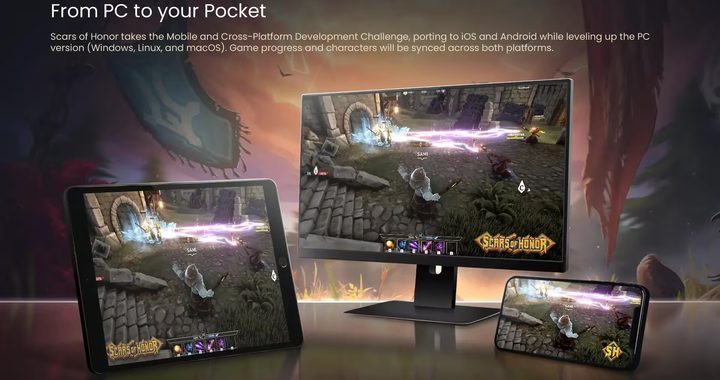
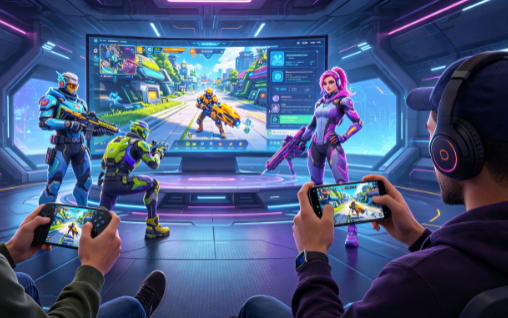
This remains the most dominant track in today’s game industry. Live‑service games keep updating new maps, characters, events and seasonal content, instead of delivering static finished products. Cross‑platform support allows users to switch freely between PC, console and mobile, without worrying about device restrictions. Representative titles include Fortnite, Valorant and Roblox‑based games. The biggest strength lies in huge player communities and continuous social interaction. Users not only play matches, but also watch live streams, share short clips and join fan discussions. However, high operation threshold is its obvious drawback. Studios need long‑term manpower for balance adjustment, anti‑cheat and event planning. Small teams hardly compete with large manufacturers in this track.
Open‑world action‑RPG track
Open‑world action‑RPG continues to heat up in 2026, attracting massive hardcore and casual players. These games provide huge interactive maps, free exploration paths, rich character growth systems and diverse main‑story and side‑quest content. Players can decide their own play rhythm, finish main missions or wander around to discover hidden secrets. Representative works cover both AAA productions and high‑quality indie releases. Players pursue immersive world building, realistic visual performance and meaningful player choices. The main risk of this track is extremely high development cost. Many projects face delays or insufficient polishing due to over‑large content scale. Even well‑known studios may suffer losses if sales fail to meet expectations.
Casual sandbox user‑generated content track
User‑generated content sandbox games have become a dark‑horse growth track. Instead of developers making all levels and scenarios, ordinary players can build maps, mini‑games and virtual scenes inside the platform. Roblox is the typical representative of this category. A large number of secondary hot games are born from player creation. Its core advantage is extremely low creation threshold. Creators do not require professional game‑making experience to launch playable works. Platforms also support creators to earn revenue from their works. The main challenge is content quality gap. A great deal of low‑quality works flood the platform, making it hard for outstanding independent creations to gain exposure.
Niche survival‑crafting track
Survival‑crafting still retains stable loyal audiences. Games in this track focus on resource gathering, base building, risk avoidance and cooperative multiplayer experience. Many players prefer this slow‑paced gameplay to escape from fast‑paced competitive matches. Compared with competitive games, survival crafting titles have lower peak traffic, yet they own high user loyalty. Most players will keep returning for new updates. The bottleneck for this track is repetitive gameplay loops. Without effective new content iteration, players will easily get tired and leave.
Future outlook for major gaming tracks
Looking ahead, cross‑platform operation will become a standard configuration for new releases. User‑generated content will further penetrate different game categories, not only limited to sandbox platforms. At the same time, audiences are gradually getting tired of homogeneous big‑budget works, creating space for niche high‑quality independent games. For developers, blindly chasing popular genres cannot guarantee success. Matching track positioning with team strength is more important. For players, diverse game options bring richer gaming experiences.
Conclusion
Different gaming tracks have their own strengths and hidden risks. Live‑service multiplayer owns the largest market share; open‑world RPG brings top‑tier immersive experience; UGC sandbox shows powerful growth momentum. No single genre can occupy the whole market. As player demands keep diversifying, multiple tracks will coexist and develop together. Keeping an eye on track changes can help you grasp the latest trends of the global gaming industry.